Fullwell Cross upholstery cleaning guide for Barkingside homes
If your sofa looks fine from across the room but tells a different story up close, you are in the right place. This Fullwell Cross upholstery cleaning guide for Barkingside homes explains how to keep everyday fabrics fresher, safer, and longer lasting without turning your living room into a project you regret halfway through. Whether you are dealing with tea marks, pet hair, dust, odours, or just the slow dulling that happens in busy homes, the aim here is simple: help you make sensible cleaning decisions, not guesswork.
Upholstery is one of those things people forget until it starts looking tired. Then suddenly the arm of the sofa feels sticky, the dining chairs have little mystery patches, and the favourite reading chair has that faint lived-in smell that no amount of airing seems to fix. Let's face it, that happens. The good news is that most fabric problems are manageable if you know what you are dealing with and you act early.
This guide walks through the cleaning process, the methods worth considering, the mistakes that can ruin fabric, and the questions Barkingside homeowners usually ask before booking any professional help. If you need a broader home care refresh, you may also find our deep cleaning service useful, especially when upholstery is only one part of a bigger reset.
Table of Contents
- Why Fullwell Cross upholstery cleaning guide for Barkingside homes Matters
- How Fullwell Cross upholstery cleaning guide for Barkingside homes Works
- Key Benefits and Practical Advantages
- Who This Is For and When It Makes Sense
- Step-by-Step Guidance
- Expert Tips for Better Results
- Common Mistakes to Avoid
- Tools, Resources and Recommendations
- Law, Compliance, Standards, or Best Practice
- Options, Methods, or Comparison Table
- Case Study or Real-World Example
- Practical Checklist
- Conclusion
- Frequently Asked Questions
Why Fullwell Cross upholstery cleaning guide for Barkingside homes Matters
Upholstery does more work than most people realise. Sofas, armchairs, ottomans, headboards, dining seats, and occasional chairs all collect skin oils, crumbs, pollen, pet dander, and general household dust. In a busy Barkingside home, that build-up is usually gradual, which makes it easy to ignore. Then one day the fabric looks flat, the colour seems muted, and the room somehow feels less fresh even after you have cleaned everything else.
That matters for a few practical reasons. First, fabric contamination is rarely just about appearance. Dirt can be abrasive, so every sit-down, every lean, and every shuffle against the cushions can grind particles into the fibres. Over time, that can shorten the life of the upholstery. Second, odours tend to settle into fabric faster than hard surfaces, especially in homes with pets, children, or a lot of cooking smells drifting through the house. Third, some stains become much harder to remove once they have dried or oxidised. A mark that looks harmless in the morning can become a stubborn shadow by the weekend.
There is also the comfort factor. You notice it when a sofa feels cleaner, smells lighter, and looks properly cared for. It changes the whole room. Not dramatic, just quietly better. And in homes where the upholstery is part of everyday family life, that can make a surprising difference to how the space feels at 7pm on a wet London evening.
If your fabric issues are tied to a broader general tidy-up, a one-off cleaning visit can be a sensible way to tackle upholstery alongside the rest of the room. For households that want regular upkeep, browsing domestic cleaning support can also help you keep the rest of the home from undoing the work.
How Fullwell Cross upholstery cleaning guide for Barkingside homes Works
At a practical level, upholstery cleaning follows a simple logic: identify the fabric, remove loose soil, treat spots carefully, apply the right cleaning method, then dry the material properly. The exact approach depends on the furniture's fabric type, its age, and how much wear it has taken. That is where a bit of caution pays off. Cotton blends, synthetics, wool mixes, velvet, microfibre, and leather all behave differently. They look similar from a distance. In reality, they are not.
Most cleaning starts with dry soil removal. Vacuuming with the right attachment removes crumbs, dust, and hair from seams, buttons, and under cushions. Then the cleaner checks for stains and notices the fabric response. Some materials handle water-based cleaning well. Others need low-moisture methods or specialist treatment. If you treat all upholstery as one category, you are asking for trouble. Truth be told, that is how a lot of fabric damage happens.
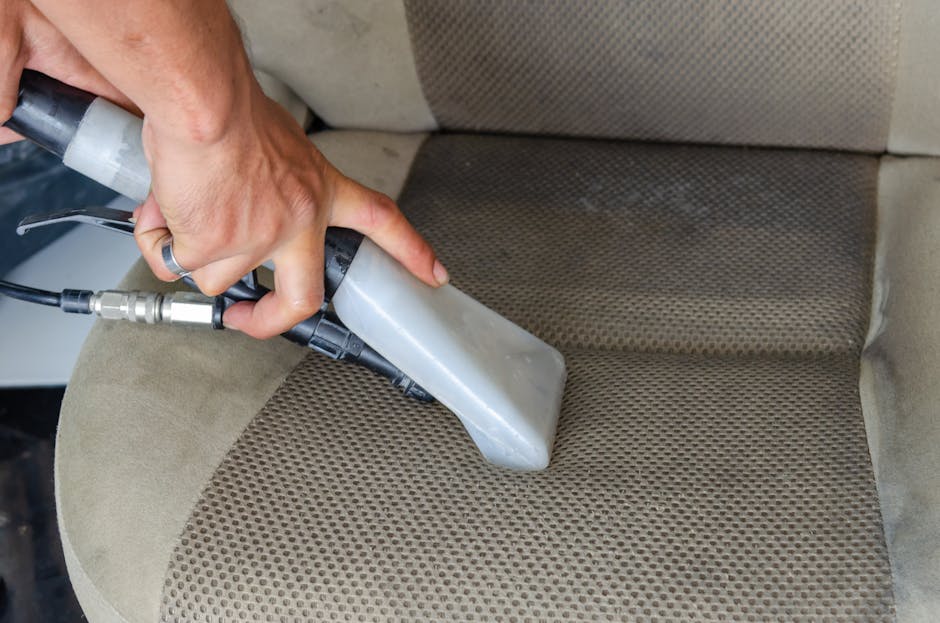
Professional upholstery cleaning often uses controlled extraction, low-moisture application, or solvent-based treatment depending on the material and the mark. The reason this works is simple: dirt is lifted from the fibres instead of being pushed deeper in. But the process still needs judgment. Too much moisture can leave rings, slow drying, or even affect the filling underneath. Too much agitation can distort delicate fibres. Too much heat can flatten texture. None of those outcomes are fun.
If you are dealing with fabrics after renovation dust, a move, or a particularly messy season, it may help to combine upholstery care with after builders cleaning. That is especially useful when fine dust has worked its way into cushions, curtains, and soft furnishings all at once.
Key Benefits and Practical Advantages
The most obvious benefit is that clean upholstery looks better. But the real value goes beyond appearance. A proper clean can improve comfort, reduce lingering odours, and help preserve the fabric's structure. That matters in family homes where the sofa is not a display piece, but the place where everyone lands after work, school, and errands.
- Better appearance: colours look more even and fabrics regain some of their original depth.
- Improved freshness: odours from pets, spills, and daily use are reduced.
- Longer fabric life: regular soil removal helps prevent premature wear.
- More comfortable living spaces: rooms feel cleaner and more welcoming overall.
- Better stain management: quick action usually gives you more options later.
- Health and hygiene support: while cleaning is not a medical fix, removing dust and allergens from fabric can make a home feel easier to live in.
There is a quieter advantage too: confidence. You stop worrying every time someone sits on the cream chair. You stop side-eyeing the armrest under daylight. You know the furniture is being looked after properly. That peace of mind is worth a lot more than people admit.
If your home also needs textile care beyond the sofa, carpet cleaning and rug cleaning often make sense at the same time. Fabrics in the same room tend to age together, annoyingly enough.
Who This Is For and When It Makes Sense
This guide is useful for anyone in Barkingside who wants to protect their furniture and keep soft furnishings in better condition. That includes homeowners, tenants, landlords, and busy families, but the timing and priorities can differ.
For families: spills happen. Chocolate, juice, breakfast crumbs, muddy elbows after the park, the lot. If the sofa is part of everyday life, a routine clean helps keep it from becoming a long-term stain archive.
For pet owners: fur and odour are the big ones. Even when the pet is immaculate, fabric absorbs traces of life. That is just how soft surfaces work.
For landlords and tenants: upholstery may not always be a formal requirement, but better presentation helps with move-outs, inspections, and re-letting. If a property is being handed over, end of tenancy cleaning can be a useful umbrella service where soft furnishings need attention too.
For anyone buying second-hand furniture: a used sofa or chair can be a bargain, but only if you know what you are bringing into your home. Cleaning and inspection should happen before the furniture becomes part of the room's daily rhythm.
For people with allergies or sensitive noses: fabric refreshes can make a home feel easier to breathe in and less stale, especially if windows are not open much during colder months.
When does it make sense to act? Usually when you notice one of these signs:
- visible marks that do not lift with light spot cleaning
- fabric that looks dull or flattened
- odours that come back after airing
- pet hair trapped in seams and weave
- the last proper clean was more than a year ago
And yes, if you are looking at the chair and thinking, "It is not terrible, just a bit grim up close," that usually means it is already time.
Step-by-Step Guidance
Good upholstery cleaning does not have to be complicated, but it does need a sensible order. Skipping steps is where people run into trouble.
1. Identify the fabric first
Check the care label if one is present. It may indicate whether the upholstery can tolerate water-based cleaning, solvent cleaning, or only professional treatment. If the label is missing, faded, or unclear, treat the fabric conservatively. Better that than making a guess with a damp cloth and optimism.
2. Vacuum thoroughly
Use an upholstery attachment and work slowly over the surface, seams, and crevices. Lift cushions if possible. Look for hidden crumbs, grit, and pet hair. This step matters more than people think because loose dirt can interfere with stain treatment and spread around when wet.
3. Test any product in an inconspicuous area
Before using a spot cleaner, test it on a hidden section such as the back or underside. Wait for it to dry. Check for colour transfer, roughness, or any change in texture. A quick test can save a very expensive mistake.
4. Deal with stains carefully
Blot, do not rub. Rubbing can spread the stain and damage the pile or weave. Use as little liquid as needed. Work from the outside of the stain inward so you do not create a bigger patch. If the stain is oily, greasy, or old, a standard home cleaner may not be enough.
5. Apply the right cleaning method
For robust fabrics, a low-moisture or extraction-based clean may be suitable. For delicate materials, dry methods or specialist treatment can be safer. The aim is to remove dirt without soaking the filling or leaving a tide mark.
6. Dry properly and ventilate
Drying is not an afterthought. It is part of the process. Open windows if weather allows, use airflow, and avoid heavy use until the fabric is fully dry. Sitting on a damp sofa before it is ready can compress fibres and sometimes leave the finish uneven.
7. Finish by grooming the fabric
Some fabrics benefit from a gentle brush or pile reset once dry. This can help restore a more even appearance. It is a small thing, but it often makes the result look much better.
If you are unsure about the best method, a specialist upholstery cleaning service is the safer path. It is much easier to avoid damage than to undo it later.
Expert Tips for Better Results
A few practical habits make a real difference, and they are the sort of things people often skip until after a bad experience.
- Act fast on spills. The first five to ten minutes matter more than most people expect.
- Use white cloths for blotting. Coloured cloths can transfer dye, which is a bit humiliating when it happens.
- Keep moisture under control. Saturating the fabric almost never improves the outcome.
- Clean cushions evenly. If one side is treated and the other is ignored, the result can look patchy.
- Rotate seat cushions regularly. This helps prevent one area from ageing far faster than the rest.
- Work in good light. Daylight or a strong lamp helps you spot missed residue and uneven drying.
One small trick: if you are cleaning at home, do a little less, not a little more. People often assume "more product" means "more clean." Usually, it just means more residue. A stubborn little film can attract dirt again, which is not exactly the victory you were hoping for.
For homes that are already doing seasonal maintenance, pairing upholstery care with a one-off clean can make the whole property feel reset. That is handy before guests arrive, after winter, or before moving back into a room you have neglected for a while.
Common Mistakes to Avoid
Most upholstery damage is not dramatic. It usually starts with a small overstep: too much water, the wrong cleaner, a hard scrub, or impatience. The problem is that soft furnishings remember.
- Using too much liquid: this can cause rings, slow drying, or filling damage.
- Scrubbing stains aggressively: this can spread the mark and roughen the fabric.
- Ignoring the care label: the label exists for a reason, even if it looks inconvenient.
- Trying random household products: some cleaners bleach, stain, or distort upholstery.
- Leaving cushions damp: moisture trapped inside can lead to odours and poor results.
- Cleaning only the visible patch: localised cleaning can leave a halo or obvious colour difference.
There is also the "I'll just do it later" mistake. Harsh as it sounds, that one costs people the most. Fresh spill? Clean it. Faint mark? Check it. Odd smell? Do not ignore it for three months and then act surprised. We all do it once. Some of us do it twice. Then the sofa wins.
Tools, Resources and Recommendations
You do not need a van full of equipment to keep upholstery in decent shape. A small, practical kit is usually enough for routine care.
| Tool or item | What it helps with | Good practice |
|---|---|---|
| Upholstery vacuum attachment | Removing dust, crumbs, and hair from seams and cushions | Use slowly and reach into folds and corners |
| White microfibre cloths | Blotting spills and lifting residue | Keep a few clean cloths aside for fabric care only |
| Soft upholstery brush | Loosening surface soil and refreshing pile | Brush gently in the direction the fabric naturally sits |
| Fabric-safe cleaner | Treating small stains or marked areas | Test first, and use sparingly |
| Fans or open windows | Helping drying and reducing lingering dampness | Aim for airflow, not heat blasting |
If your furniture is delicate, antique, or visibly expensive, the best recommendation is often not a product at all. It is restraint. Sometimes the sensible choice is to stop, inspect, and bring in a professional before you make the problem bigger.
For broader home upkeep, it can also help to think in systems. If fabric is dirty, the surrounding room may be too. Combine upholstery care with carpet cleaning, window cleaning, or even hard floor cleaning if the whole living space needs attention. The room will feel more coherent, which sounds fancier than it is, but it really does matter.
Law, Compliance, Standards, or Best Practice
For homeowners, upholstery cleaning is mostly a matter of practical care rather than formal regulation. Still, there are a few sensible standards and expectations worth keeping in mind.
First, if you hire a cleaning company, you should expect clear communication about methods, risks, and limitations. Good practice means the cleaner should explain what is suitable for the fabric and what is not. If the furniture is delicate or the fabric is unusual, they should be cautious rather than confident for the sake of it. Confidence is lovely until it turns into a water stain.
Second, if products are being used around the home, safety matters. That means sensible handling, proper ventilation, and care around children and pets. A responsible cleaner should also be covered appropriately for the work they carry out. You can learn more about how a business approaches this by reviewing its insurance and safety approach and related health and safety policy.
Third, if you are comparing providers, transparent pricing and clear terms are a sign of professionalism. You want to know what is included, what may cost extra, and how issues are handled if something goes wrong. That is why pages like pricing and quotes and terms and conditions are worth checking before you book.
Finally, if sustainability matters to you, ask how waste, water use, and product choices are managed. Many households in Barkingside like a more considerate approach, especially when the job is part of a wider home refresh. A business that takes recycling and sustainability seriously is usually thinking beyond the job at hand, which is a good sign.
Options, Methods, or Comparison Table
There is no single best upholstery cleaning method for every home. The right choice depends on fabric type, soil level, and how much risk you are prepared to take. Here is a straightforward comparison.
| Method | Best for | Advantages | Watch-outs |
|---|---|---|---|
| Vacuum-only maintenance | Light upkeep between deeper cleans | Fast, safe, and helps prevent build-up | Will not remove stains or odours |
| Home spot cleaning | Small fresh spills on suitable fabrics | Convenient and inexpensive | Easy to over-wet or leave residue |
| Low-moisture professional cleaning | General refresh on many fabric types | Controlled, efficient, usually fabric-friendly | Still needs the right technique for the material |
| Extraction cleaning | Heavier soiling on robust upholstery | Deep soil removal and good visual improvement | Not suitable for every fabric, drying time matters |
| Specialist dry cleaning | Delicate or moisture-sensitive materials | Less water exposure, safer for some textiles | Requires correct product choice and professional know-how |
To be fair, most homes benefit from a blend of methods rather than one hero solution. A vacuum routine, careful spot treatment, and occasional professional clean is usually the most balanced approach. Not glamorous. Very effective.
Case Study or Real-World Example
Here is a realistic example from a typical Barkingside household. A family returns from a long, rainy week of school runs, commuting, and muddy shoes at the door. Their light-grey corner sofa has a few small marks, some pet hair tucked into the seams, and a general look of "we have all been using this quite a lot." Nothing outrageous. Just enough to irritate you every time the sun hits it through the window.
They start with a proper vacuum, then spot-check a hidden area because the fabric label is faint. One stain turns out to be food residue, another is a drink mark that has already started to set. A cautious cleaning method is used, with minimal moisture and a slow drying process. Cushions are rotated and aired. The result is not a miracle, and that is fine. It is simply fresher, brighter, and far more comfortable to live with.
What made the biggest difference was not a fancy product. It was patience. The clean was done in stages, the fabric was respected, and no one rushed to sit on it before it had properly dried. Sensible, really. A bit boring. Which is exactly what you want in upholstery care.
Practical Checklist
Use this before you clean or book a service.
- Check the fabric label or note any special material concerns.
- Vacuum all surfaces, seams, and under cushions.
- Identify fresh spills, old stains, and odour hotspots.
- Test any product in a hidden area first.
- Blot spills gently instead of rubbing.
- Avoid soaking the fabric or cushion filling.
- Allow enough drying time with good airflow.
- Rotate cushions once the fabric is dry.
- Review whether the furniture needs a professional method instead.
- Consider cleaning the room's other soft surfaces too, so the result feels consistent.
If the upholstery is part of a larger home clean, you might also look at rug cleaning or oven cleaning while you are planning the job. Different surfaces, yes, but the same lovely feeling when the house finally looks back in order.
Conclusion
Good upholstery cleaning is mostly about judgment. Know the fabric, respect the limits, use the right amount of moisture, and do not rush the drying. If you keep those basics in mind, you will protect your furniture and get far better results than the average "quick scrub and hope" approach.
For Barkingside homes around Fullwell Cross, that matters because upholstery is not decorative background noise. It is where real life happens: tea, naps, pets, homework, visitors, rainy coats, all of it. A cleaner sofa or chair changes how the home feels, and honestly, that small lift can be lovely.
When the furniture is more than a little tired, or when you want a result that feels properly handled, it is worth speaking with a trusted local cleaning team that understands fabrics, timing, and the practical realities of family homes. A bit of care now saves a lot of regret later, and that is the whole game, really.
Get a free quote today and see how much you can save.
Frequently Asked Questions
How often should upholstery be cleaned in a Barkingside home?
For most busy homes, a light vacuum routine should happen regularly, with deeper cleaning every so often depending on use, pets, and spill frequency. High-traffic sofas usually need attention sooner than spare-room furniture.
Can I clean upholstery myself, or should I hire a professional?
Small fresh marks on suitable fabrics can often be handled carefully at home. For delicate materials, old stains, odours, or large areas of soiling, professional cleaning is usually the safer and more effective choice.
What is the biggest mistake people make with sofa cleaning?
Using too much water or scrubbing too hard. Those two habits cause a lot of damage, from rings and residue to roughened fibres and slow drying.
How do I know if my fabric can handle water-based cleaning?
Check the care label if possible. If the label is missing or unclear, assume caution. When in doubt, use a specialist who can assess the fabric before applying any moisture.
Will upholstery cleaning remove pet smells?
It can reduce or remove many everyday pet odours, especially when the smell is sitting in surface dirt or trapped dust. Strong or deep-set smells may need more targeted treatment.
How long does upholstery take to dry?
Drying time depends on the fabric, the method used, airflow, and room conditions. Light cleaning may dry fairly quickly, while deeper cleaning can take longer. Good ventilation helps a lot.
Is upholstery cleaning safe for children and pets?
It can be, provided products are used responsibly and the furniture is fully dry before normal use resumes. If you are hiring help, ask how products are applied and what drying guidance they recommend.
Can upholstery cleaning remove old stains?
Sometimes, yes, but not always. Older stains are harder because they may have bonded with the fibre or changed colour over time. Even so, proper treatment often improves them more than home cleaning does.
Should I clean upholstery before or after carpet cleaning?
Either can work, but many people prefer to clean upholstery alongside carpets so the room is refreshed as one job. That avoids ending up with one clean surface next to another that still looks tired.
What should I ask before booking an upholstery cleaner?
Ask what fabric types they handle, how they treat stains, what drying time to expect, whether they are insured, and what is included in the price. Clear answers are a good sign.
Does upholstery cleaning help if I have allergies?
It may help by removing dust and other build-up from fabric surfaces, which can make the home feel fresher. It is not a medical treatment, but many people notice the difference in day-to-day comfort.
What if my sofa is antique or very expensive?
Be extra cautious. Antique and premium pieces can have delicate fibres, old dyes, or structural weaknesses. In that case, specialist assessment is worth it before any cleaning begins.